



Estrogen receptor
Estrogen receptor biology centers on ERα/ESR1 and ERβ/ESR2, nuclear transcription factors that regulate complex physiological processes[1]. In mammary tissue, 17β-estradiol controls post-natal mammary gland development through ERα, which coordinates classical nuclear “genomic” and membrane “non-genomic” signaling[2]. Mechanistically, these pathways regulate mammary morphogenesis, luminal cell-lineage features, and hormone-dependent breast cancer models[2]. In disease models, ERα is critical for breast cancer progression and remains a central therapeutic target in hormone-dependent breast cancers[2]. Compared with ERβ, ERα differs in ligand-binding specificity and transcript tissue distribution, supporting isoform-selective estrogen receptor research design[3]. For experimental applications, ER modulators include subtype-selective ligands with potential clinical relevance across cancer, metabolic disease, cardiovascular disease, neurodegeneration, inflammation, and osteoporosis[1]. Fulvestrant, a selective estrogen receptor downregulator, shows antitumor activity in preclinical breast cancer models and enables studies of ERα degrader activity[4].
References:
- [1]. Paterni I, et al. Estrogen receptors alpha (ERα) and beta (ERβ): subtype-selective ligands and clinical potential. Steroids. 2014 Nov;90:13-29. [Content Brief]
- [2]. Rusidzé M, et al. Estrogen receptor-α signaling in post-natal mammary development and breast cancers. Cell Mol Life Sci. 2021 Aug;78(15):5681-5705. [Content Brief]
- [3]. Kuiper GG, et al. Comparison of the ligand binding specificity and transcript tissue distribution of estrogen receptors alpha and beta. Endocrinology. 1997 Mar;138(3):863-70. [Content Brief]
- [4]. Wardell SE, et al. Pharmacokinetic and pharmacodynamic analysis of fulvestrant in preclinical models of breast cancer to assess the importance of its estrogen receptor-α degrader activity in antitumor efficacy. Breast Cancer Res Treat. 2020 Jan;179(1):67-77. [Content Brief]
All Product Categories
-
Estrogen receptor Inhibitors
(4)
View all products
-
Estrogen receptor Agonist
(1)
View all products
-
Estrogen receptor Antagonists
(3)
View all products
-
Estrogen receptor Modulators
(10)
View all products
-
Estrogen receptor Degraders
(2)
View all products
-
Estrogen receptor Ligands
(5)
View all products
-
Estrogen receptor Related Products (25)
Related Products (25)

- 1
- 2
-
Tamoxifen
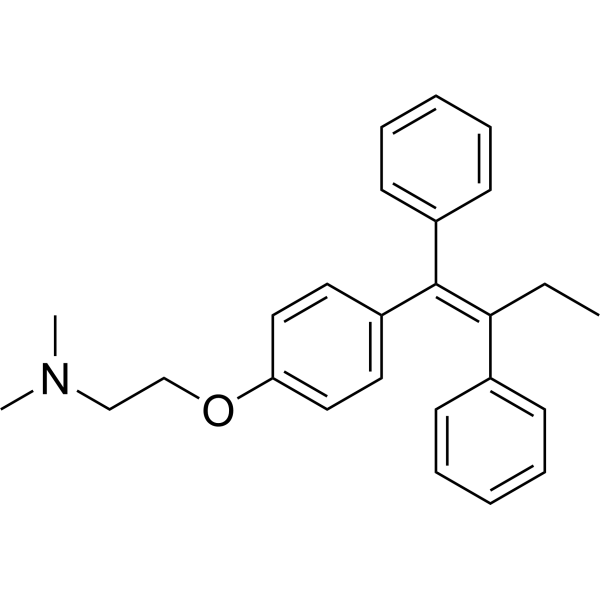 0 ImagesSynonyms: ICI 47699; (Z)-Tamoxifen; trans-TamoxifenTamoxifen (ICI 47699) is an orally active, selective estrogen receptor modulator (SERM) which blocks estrogen action in breast cells and can activate estrogen activity in other cells, such as bone, liver, and uterine cells. Tamoxifen is a potent Hsp90 activator and enhances the Hsp90 molecular chaperone ATPase activity. Tamoxifen also potent inhibits infectious EBOV Zaire and Marburg (MARV) with IC50 of 0.1 μM and 1.8 μM, respectively. Tamoxifen activates autophagy and induces apoptosis. Tamoxifen can also be dissolved in corn oil (HY-Y1888) for use in inducing gene knockout in CreER transgenic mice. Tamoxifen has better solubility in corn oil compared to Tamoxifen Citrate (HY-13757).
-
4-Hydroxytamoxifen
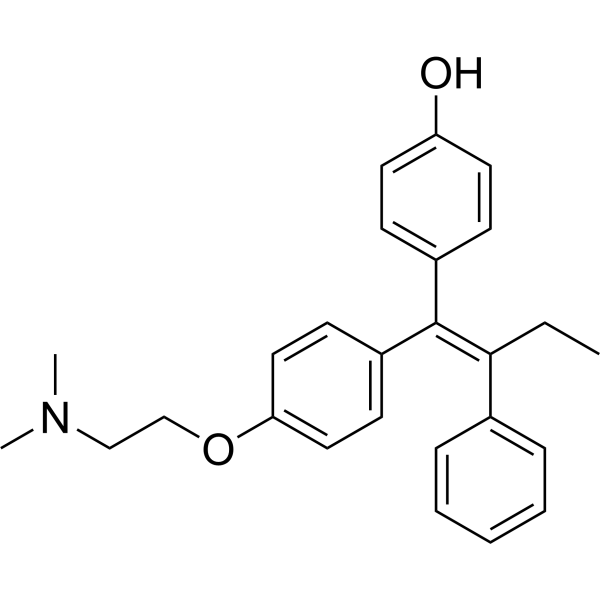 0 ImagesSynonyms: (Z)-4-Hydroxytamoxifen; trans-4-Hydroxytamoxifen; (Z)-Afimoxifene4-Hydroxytamoxifen ((Z)-4-Hydroxytamoxifen) is an orally active, selective estrogen receptor modulator (SERM). 4-Hydroxytamoxifen ((Z)-4-Hydroxytamoxifen) is also the active metabolic form of Tamoxifen (HY-13757A) in vivo and can be used to induce gene knockout in transgenic mice expressing CreER.
-
Tamoxifen Citrate
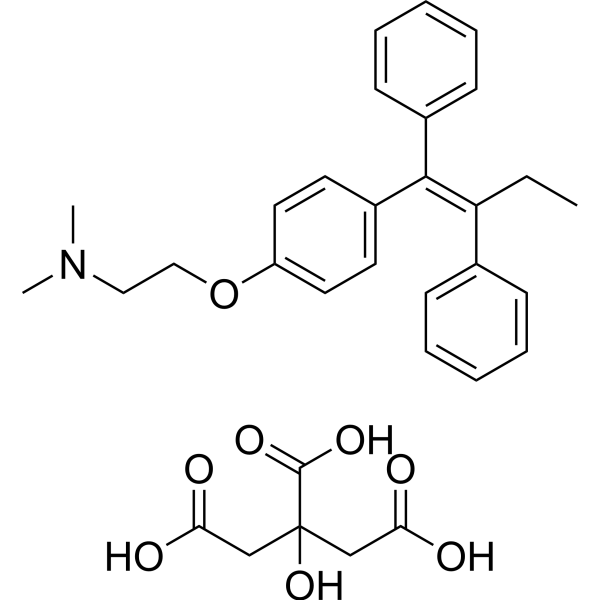 0 ImagesSynonyms: ICI 46474; (Z)-Tamoxifen Citrate; trans-Tamoxifen CitrateTamoxifen Citrate (ICI 46474) is an orally active, selective estrogen receptor modulator (SERM) which blocks estrogen action in breast cells and can activate estrogen activity in other cells, such as bone, liver, and uterine cells.Tamoxifen Citrate is a potent Hsp90 activator and enhances the Hsp90 molecular chaperone ATPase activity. Tamoxifen Citrate also potent inhibits infectious EBOV Zaire and Marburg (MARV) with IC50 of 0.1 μM and 1.8 μM, respectively. Tamoxifen Citrate activates autophagy and induces apoptosis. Tamoxifen Citrate can also be used to induce gene knockout in CreER transgenic mice.
-
(E/Z)-4-Hydroxytamoxifen
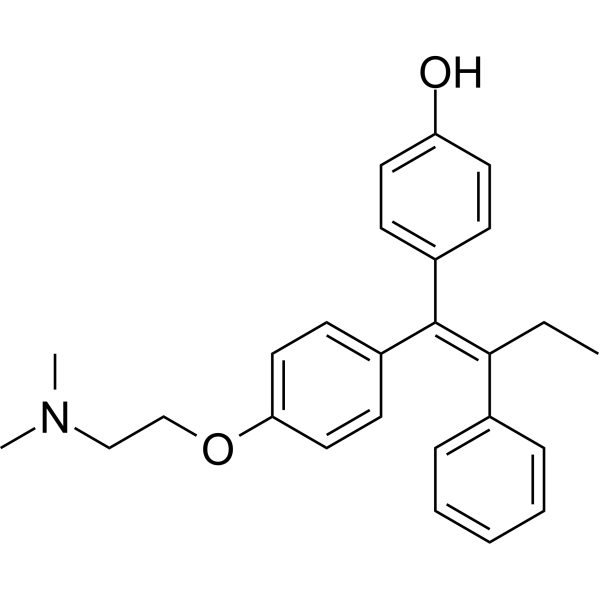 0 ImagesSynonyms: Afimoxifene; 4-OHT(E/Z)-4-Hydroxytamoxifen (Afimoxifene) is a racemic compound of (Z)-4-Hydroxytamoxifen and (E)-4-Hydroxytamoxifen isomers. (E/Z)-4-Hydroxytamoxifen is a selective estrogen receptor modulator with mixed estrogenic and antiestrogenic activity, which is also an active metabolite of Tamoxifen (HY-13757A). (E/Z)-4-Hydroxytamoxifen is an agonist of the G protein-coupled estrogen receptor (GPER) with relatively low affinity (100-1000 nM). (E/Z)-4-Hydroxytamoxifen is promising for research of cyclical mastalgia, such as breast pain, tenderness, and nodularity.
-
Raloxifene
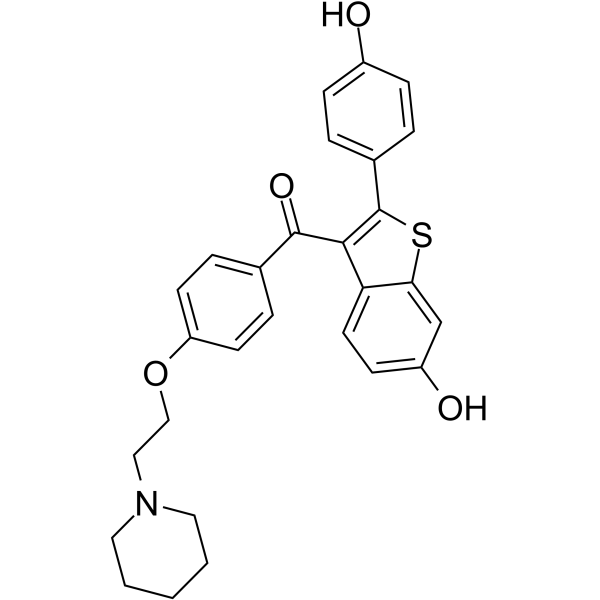 0 ImagesSynonyms: Keoxifene; LY156758 free base; LY139481Raloxifene (Keoxifene) is a benzothiophene-derived selective estrogen receptor modulator (SERM). Raloxifene has estrogen-agonistic effects on bone and lipids and estrogen-antagonistic effects on the breast and uterus. Raloxifene is used for breast cancer and osteoporosis research.
-
β-Zearalenol
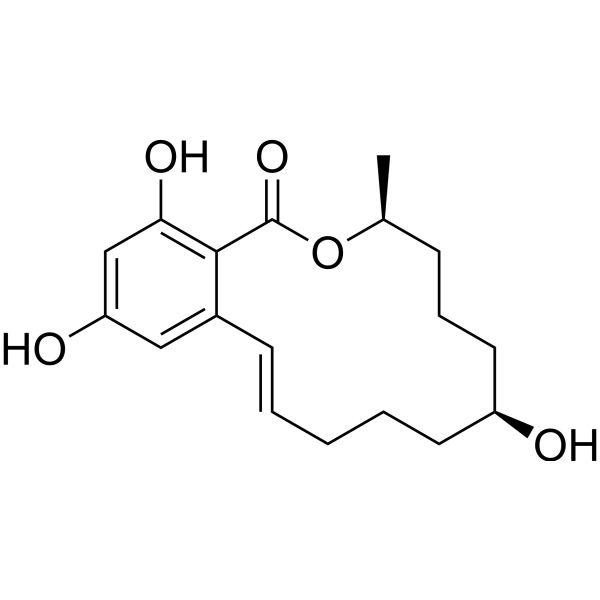 0 Imagesβ-Zearalenol is a zearalenone metabolite and Estrogen receptor binder (Kd = 0.406 nM) that induces apoptosis through activation of p53, JNK, and p38 kinases and the mitochondrial apoptosis pathway, while inhibiting CYP19A1 and inducing autophagy via SIRT1. β-Zearalenol is used in research on cardiotoxicity, mycotoxin-induced reproductive toxicity, and breast cancer.
-
β-Zearalanol-d4
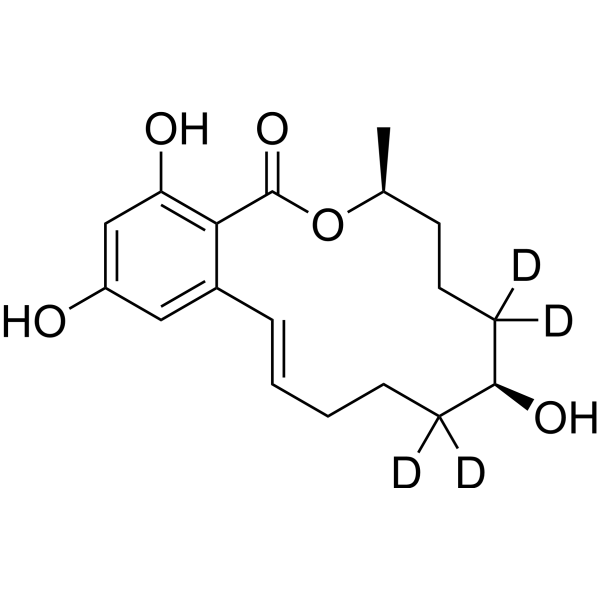 0 ImagesCat. No.: HY-N6740SCAS No.: 1778735-09-3β-Zearalanol-d4 is the deuterated-labeled β-Zearalenol (HY-N6741). β-Zearalenol is a zearalenone metabolite and Estrogen receptor binder (Kd = 0.406 nM) that induces apoptosis through activation of p53, JNK, and p38 kinases and the mitochondrial apoptosis pathway, while inhibiting CYP19A1 and inducing autophagy via SIRT1. β-Zearalenol is used in research on cardiotoxicity, mycotoxin-induced reproductive toxicity, and breast cancer.
-
β-Zearalenol-13C18
 0 ImagesCat. No.: HY-N6741Sβ-Zearalenol-13C18 is the 13C-labeled β-Zearalenol (HY-N6741). β-Zearalenol is a zearalenone metabolite and Estrogen receptor binder (Kd = 0.406 nM) that induces apoptosis through activation of p53, JNK, and p38 kinases and the mitochondrial apoptosis pathway, while inhibiting CYP19A1 and inducing autophagy via SIRT1. β-Zearalenol is used in research on cardiotoxicity, mycotoxin-induced reproductive toxicity, and breast cancer.
-
Tamoxifen (Standard)
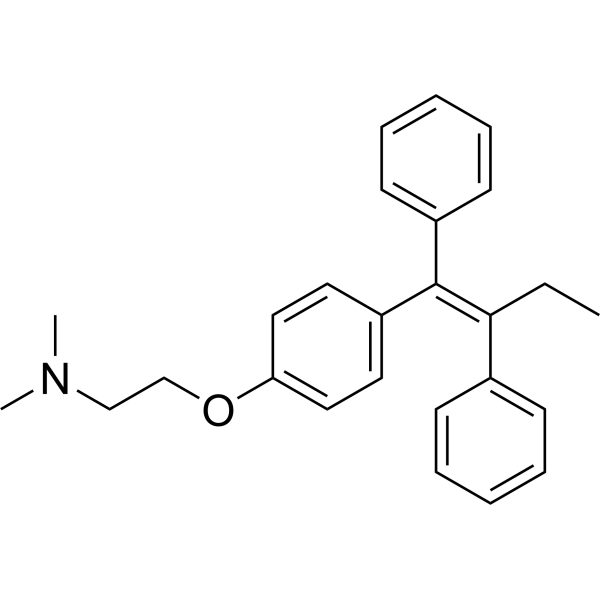 0 ImagesSynonyms: ICI 47699(Standard); (Z)-Tamoxifen(Standard); trans-Tamoxifen (Standard)Tamoxifen (Standard) is the analytical standard of Tamoxifen (HY-13757A). This product is intended for research and analytical applications. Tamoxifen (ICI 47699) is an orally active, selective estrogen receptor modulator (SERM) which blocks estrogen action in breast cells and can activate estrogen activity in other cells, such as bone, liver, and uterine cells. Tamoxifen is a potent Hsp90 activator and enhances the Hsp90 molecular chaperone ATPase activity. Tamoxifen also potent inhibits infectious EBOV Zaire and Marburg (MARV) with IC50 of 0.1 μM and 1.8 μM, respectively. Tamoxifen activates autophagy and induces apoptosis. Tamoxifen also can induce gene knockout of CreER(T2) transgenic mouse.
-
Palazestrant
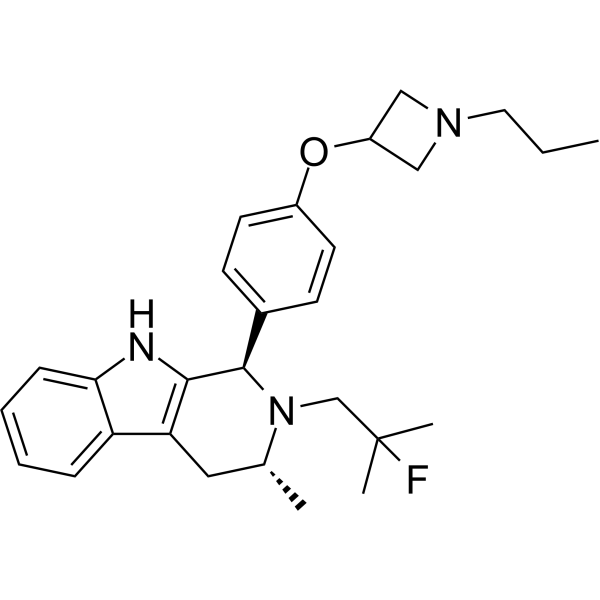 0 ImagesSynonyms: OP-1250Palazestrant is an antiestrogen and antineoplastic agent. Palazestrant can completely inhibit the activity of 17b-estradiol (E2) with IC50 value of 6.4 nM, and inhibit the proliferation of MCF7 and CAMA-1 cells with IC50 value of 1.4-1.6 nM. Palazestrant can inhibit ER+/HER2+ cancer.
-
(E)-4-Hydroxytamoxifen
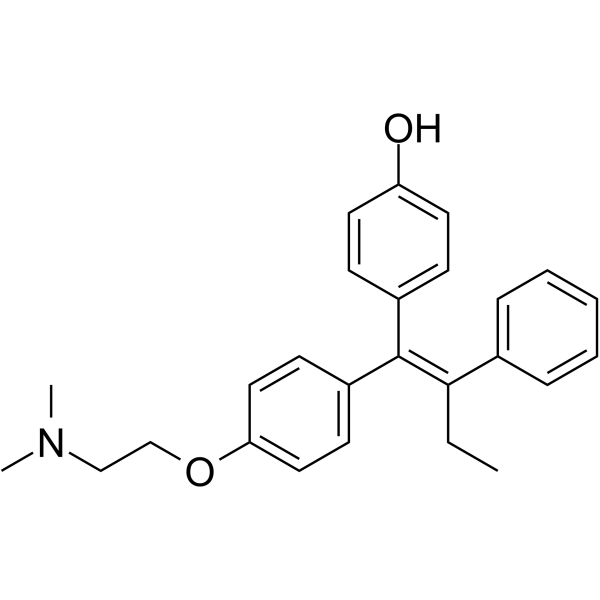 0 ImagesCat. No.: HY-16950BCAS No.: 174592-47-3Synonyms: (E)-Afimoxifene(E)-4-Hydroxytamoxifen ((E)-Afimoxifene), the less active isomer of (Z)-4-hydroxytamoxifen, is an estrogen receptor modulator.
-
Tamoxifen-d5
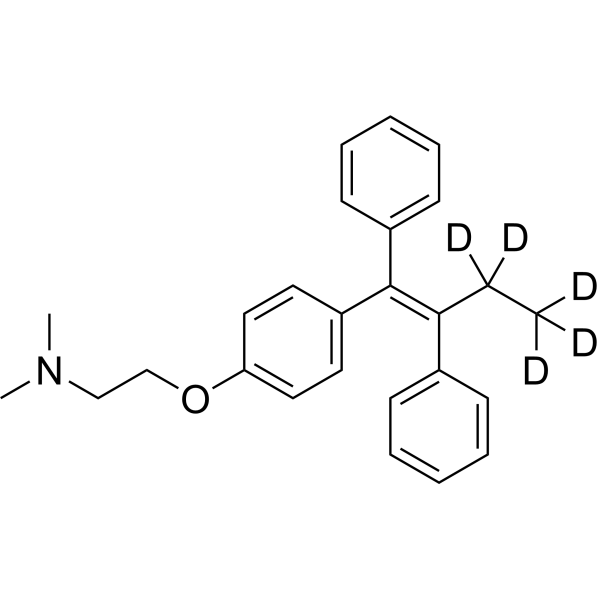 0 ImagesSynonyms: ICI 47699-d5; (Z)-Tamoxifen-d5; trans-Tamoxifen-d5Tamoxifen-d5 is a deuterium labeled Tamoxifen. Tamoxifen (ICI 47699) is an orally active, selective estrogen receptor modulator (SERM). Tamoxifen is a potent Hsp90 activator and enhances the Hsp90 molecular chaperone ATPase activity.
-
LY117018
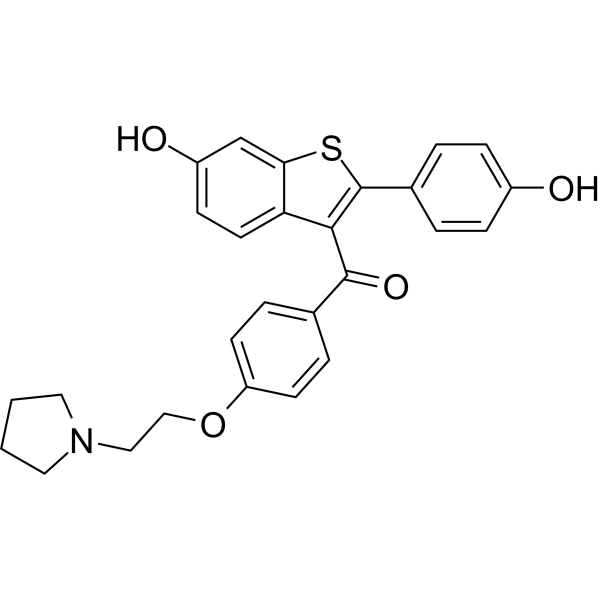 0 ImagesLY117018, a Raloxifene analog, is a selective estrogen receptor modulator. LY117018 exerts antiproliferative effects on breast cancer cell lines.
-
Estrogen receptor antagonist 8
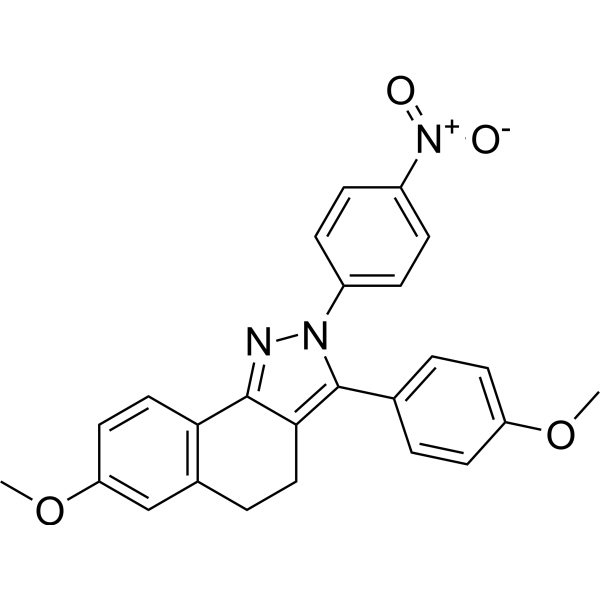 0 ImagesCat. No.: HY-143267CAS No.: 2889370-92-5Estrogen receptor antagonist 8 is a potent ER-antagonist with in vivo anti-uterotrophic potential (EC50 = 4.160 μM).
-
Estrogen receptor-IN-2
 0 ImagesCat. No.: HY-184982Estrogen receptor-IN-2 is a potent estrogen receptor inhibitor formed by the conjugation of Tam (HY-13757)-NHC and gold (I). Estrogen receptor-IN-2 significantly downregulates estrogen receptor (ER) levels, inhibits ER-mediated downstream signaling pathways, and induces immunogenic cell death (ICD) mediated by damage-associated molecular patterns (DAMPs). Estrogen receptor-IN-2 can overcome drug resistance in MCF-7Y537S mutant cells via the RAMP3/CALCR signaling pathway. It is suitable for research on endocrine-resistant breast cancer.
-
β-Zearalenol (Standard)
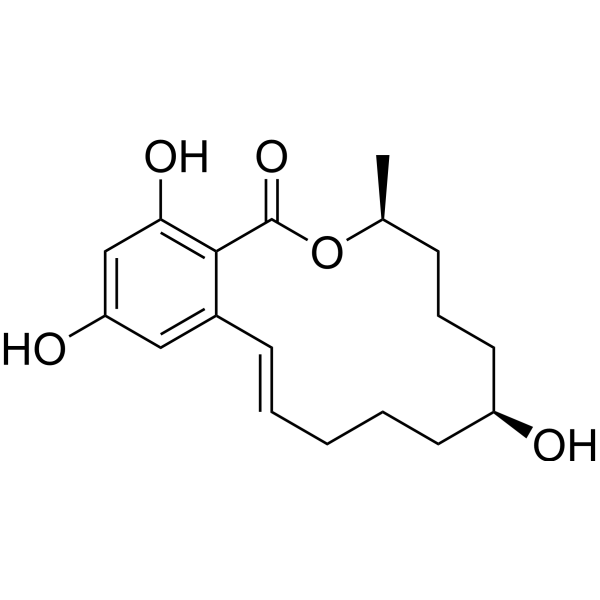 0 ImagesCat. No.: HY-N6741RCAS No.: 71030-11-0β-Zearalenol (Standard) is the analytical standard of β-Zearalenol (HY-N6741). This product is intended for research and analytical applications. β-Zearalenol is a zearalenone metabolite and Estrogen receptor binder (Kd = 0.406 nM) that induces apoptosis through activation of p53, JNK, and p38 kinases and the mitochondrial apoptosis pathway, while inhibiting CYP19A1 and inducing autophagy via SIRT1. β-Zearalenol is used in research on cardiotoxicity, mycotoxin-induced reproductive toxicity, and breast cancer.
-
HMR-3339
 0 ImagesCat. No.: HY-106256CAS No.: 214140-47-3HMR-3339 is a new selective estrogen receptor modulator. HMR-3339 reduces total cholesterol, low-density lipoprotein cholesterol, and homocysteine. HMR-3339 corrects bone alterations induced by ovariectomy.
-
LX-039
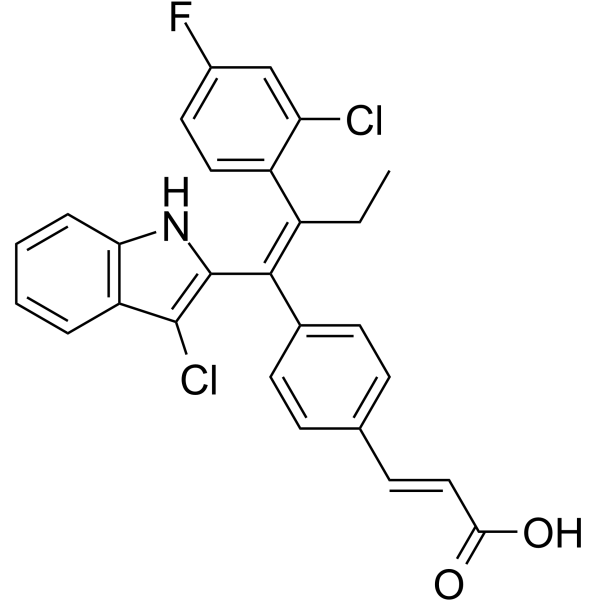 0 ImagesCat. No.: HY-143439CAS No.: 2135341-09-0LX-039 is a highly potent, selective and orally active estrogen receptor degrader with EC50 value of 2.29 nM. LX-039 has indole C-3 chlorine atom. LX-039 exhibits excellent mouse pharmacokinetics, low clearance, high Cmax and oral exposure. LX-039 has anti-tumor activity.
- 1
- 2



